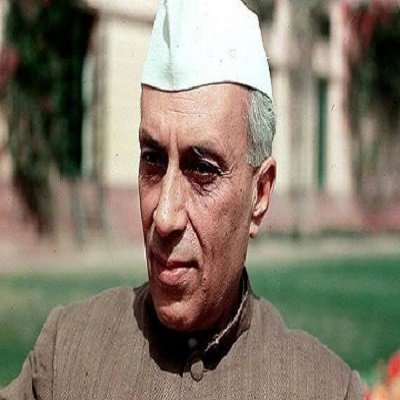
A founding architect of modern India
Jawaharlal Nehru (1889–1964) served as the first Prime Minister of independent India, from 1947 until his death in 1964. Educated at Harrow and Cambridge and trained at the bar in London, he returned to India in 1912 and was drawn into the freedom movement through his association with Mahatma Gandhi.
Vision
Nehru's vision combined three commitments: a democratic, secular republic; a planned, mixed economy; and a non-aligned foreign policy that engaged both blocs of the Cold War on India's own terms. He championed scientific temper as a public value and presided over the creation of the Planning Commission, the IITs, the Atomic Energy Commission, and the public-sector institutions that defined India's early industrial story.
Why we honor him
For IOC USA's diaspora community, Nehru remains a touchstone for the values that bind us: pluralism, public service, and a belief that institutions matter more than individuals.